





How to Make Concrete Non-Slip (Complete Guide)

Slippery concrete surfaces are one of the most common causes of slips and falls, especially in areas exposed to water, oil, or heavy foot traffic. Driveways, garage floors, patios, pool decks, and commercial walkways can all become hazardous if the surface lacks proper traction.
The good news is that concrete can be made significantly safer with the right preparation and anti-slip solution.
Why Concrete Becomes Slippery
Concrete is naturally porous, but over time it can become smooth and hazardous due to:
-
Surface wear from foot traffic or vehicles
-
Sealers that create a smooth finish
-
Water, algae, or oil buildup
-
Polished or power-troweled finishes
Understanding the cause helps you choose the right solution.
Step 1: Prepare the Concrete Surface
Proper surface preparation is critical. Without it, even the best coating will fail.
Before applying any anti-slip product:
-
Remove dirt, grease, and contaminants
-
Pressure wash the surface if needed
-
Allow the surface to fully dry
-
Etch or mechanically prepare the concrete for better adhesion
For a detailed breakdown of preparation standards (including CSP profiles), refer to our concrete surface preparation guide.
Step 2: Choose the Right Anti-Slip Solution
Different environments require different approaches. There is no one-size-fits-all solution.
1. Anti-Slip Treatment (No Visual Change)
Best for:
-
Indoor areas
-
Decorative concrete
-
Surfaces where appearance matters
These treatments work by creating microscopic texture within the surface, increasing grip without noticeably changing the look.
2. Clear Anti-Slip Coatings
Best for:
-
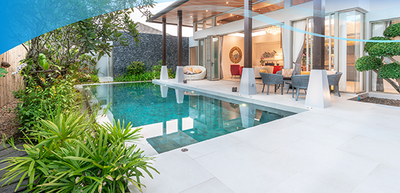
Patios
-
Pool surrounds
-
Sealed or decorative concrete
Clear coatings create a protective layer that improves traction while maintaining the surface appearance.
3. Textured Anti-Slip Coatings (Most Effective)
Best for:
-
Garage floors
-
Driveways
-
Commercial areas
-
High-traffic environments
These coatings create a durable, textured finish that provides strong, long-lasting traction.
4. Industrial-Grade Coatings
Best for:
-
Warehouses
-
Loading ramps
-
Heavy-duty environments
These systems provide maximum grip and durability where safety is critical.
Indoor vs Outdoor Concrete Solutions
Indoor
-
Focus on clean appearance
-
Use treatments or light coatings
-
Avoid overly aggressive textures
Outdoor
-
Prioritise strong traction
-
Use weather-resistant coatings
-
Ensure UV and water resistance
Common Mistakes to Avoid
-
Skipping surface preparation
-
Applying coatings over dirt or grease
-
Using indoor products outdoors
-
Choosing appearance over safety in high-risk areas
Avoiding these mistakes ensures long-term performance.
How Long Do Anti-Slip Solutions Last?
Most anti-slip coatings and treatments last between 1 and 3 years, depending on:
-
Foot and vehicle traffic
-
Weather exposure
-
Surface preparation quality
-
Maintenance
High-traffic areas may require more frequent reapplication.
Choosing the Right Solution for Your Surface
The best approach depends on how the concrete is used.
-
Light residential use → treatment or clear coating
-
Outdoor areas → weather-resistant coating
-
High-traffic or commercial → textured coating
-
Industrial environments → heavy-duty system
If you’re unsure which option is right, explore our full range of anti-slip solutions for concrete surfaces.




Leave a comment