





How to Choose the Right Non Slip Sealer for Concrete, Stamped Concrete, Pavers and Pool Decks

Selecting the right non-slip sealer can make the difference between a surface that simply looks protected and one that is both durable and safe underfoot.
Whether you are working with plain concrete, stamped concrete, paving slabs, composite decking or a pool surround, understanding what to look for in an anti slip sealer will help ensure long-term performance.
Step 1: Identify the Surface Type
Different surfaces require slightly different considerations.
A non slip concrete sealer is ideal for porous substrates such as:
• Plain concrete
• Stamped concrete
• Decorative concrete finishes
• Driveways and garage floors
• Patios and walkways
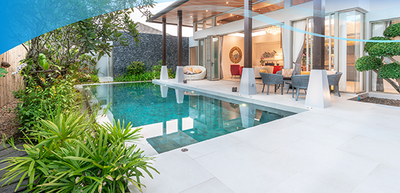
• Pool decks and pool surrounds
• Masonry and paving slabs
Stamped concrete, in particular, can become slippery when sealed incorrectly. Choosing a stamped concrete non slip sealer that enhances traction without damaging the pattern or altering the appearance is essential.
Composite decking and previously sealed surfaces also require a compatible acrylic sealer that bonds properly and provides additional grip.
If you are dealing with unsealed porcelain or ceramic tile and simply want to increase slip resistance without applying a coating, a chemical treatment may be more appropriate.
Step 2: Decide Between Sealing and Coating
Many homeowners initially search for anti slip paint, but in many cases a non slip sealer is the better solution.
A sealer enhances traction while protecting against moisture, staining, UV exposure and general wear. It does not create a thick build layer like a coating system.
If the surface is structurally sound and does not require resurfacing, a non slip sealant is typically sufficient.
Step 3: Consider Finish and Appearance
Stamped and decorative concrete require special care when selecting a sealer.
Matte finishes maintain a more natural look and are often preferred on stamped concrete. Gloss finishes can deepen colour and highlight texture while still improving underfoot stability.
Choosing the right finish ensures the surface remains visually appealing while delivering safer performance.
Step 4: Look for Durability Features
A quality anti slip sealer should offer:
• UV resistance
• Weather resistance
• Chemical resistance
• Water protection
• Long-term adhesion
These features are especially important for stamped concrete, pool decks, driveways and commercial kitchens where exposure and traffic levels are high.
Step 5: Follow Proper Application Guidance
Even the best non-slip concrete sealer will fail if applied incorrectly.
Ensure the surface is properly cleaned, dry and prepared. Apply thin, even coats and allow appropriate drying time between applications.
Following manufacturer guidance ensures proper adhesion and long-term traction performance.
Final Thoughts
A well-chosen non slip sealer can extend the life of concrete, stamped concrete, pavers and decking while improving safety.
By understanding your substrate, protection requirements and aesthetic goals, you can select a solution that enhances grip without compromising durability.




Leave a comment